1068
 Request Call Back
 Contact
 1068
Diwali Sweets & Diabetes: How to Enjoy the Festival Without Spiking Your Blood Sugar
Published on: Nov 03, 2026

TABLE OF CONTENTS
Diwali means diyas, rangoli, family and boxes of mithai that never seem to end. Kaju katli, gulab jamun, besan ladoo and jalebi appear in every home, and someone is always saying, "Just one piece, nothing will happen." But for people with diabetes, this is the week when blood sugar is hardest to manage. The good news is that you do not have to give up the festival. With a little planning, you can enjoy your mithai and still keep your sugar in check. Here is how.
Why Blood Sugar Rises During Diwali
Sweets are only part of the story. During festival week, many things change at the same time, and together they push blood sugar up.
Irregular meals: Pooja, visits and late-night gatherings delay or skip regular meal times.
More sweets and fried food: Mithai, samosa, kachori and namkeen appear at every stop, and a small taste at each place adds up quickly.
Less activity: Holidays and a busy schedule mean the daily walk or workout often gets dropped.
Missed medicines: When the routine changes, tablets and insulin doses are easy to forget or delay.
Stress and poor sleep: Cooking, cleaning, travel and late nights raise stress hormones, which can also push sugar higher.
Each of these looks small on its own, but together they can raise sugar levels within a few days. In most cases, the cause is a break in routine rather than one big sweet.
Can People With Diabetes Eat Mithai at All?
In most cases, yes, but in small portions and with planning. The real questions are how much, how often and when you eat it. A single small piece of sweet after a balanced meal is very different from three or four pieces on an empty stomach.
Keep the portion small. One small piece is enough to enjoy the taste. A plateful is not.
Never eat sweets on an empty stomach. Have them after a meal that includes salad, dal, vegetables and protein. Fibre and protein slow down how fast sugar enters the blood.
Count the sweet as part of your meal. If you eat a sweet, cut down the rice, roti or other carbohydrates in that meal so the total stays balanced.
Avoid nibbling all day. Picking at sweets and snacks through the day makes it hard to track how much you have eaten.
Go easy on fried items. Samosa, kachori and namkeen add extra fat and calories, which matter especially if you are also overweight.
Choose what you love. Pick the one or two sweets you truly enjoy instead of tasting everything on the table.
Are Sugar-Free Sweets Really Safe?
This is one of the most common questions patients ask. The label "sugar-free" does not mean you can eat as much as you like.
Many sugar-free mithais are still made with khoya, ghee, dry fruits or maida, all of which carry calories and carbohydrates. These can raise blood sugar and also add to weight gain, which makes diabetes harder to control. Sugar substitutes may not add sugar, but overeating such sweets is still a problem. Read labels carefully and keep the portion small, just as you would with a regular sweet.
If you want a lighter option, simpler choices work better:
A handful of nuts such as almonds or walnuts
Roasted makhana with a little spice
A moderate portion of fresh fruit
Homemade sweets made with less sweetener and more nuts
Smart Tips to Manage Diabetes During Diwali
A few simple habits can protect your sugar levels all through the festive week.
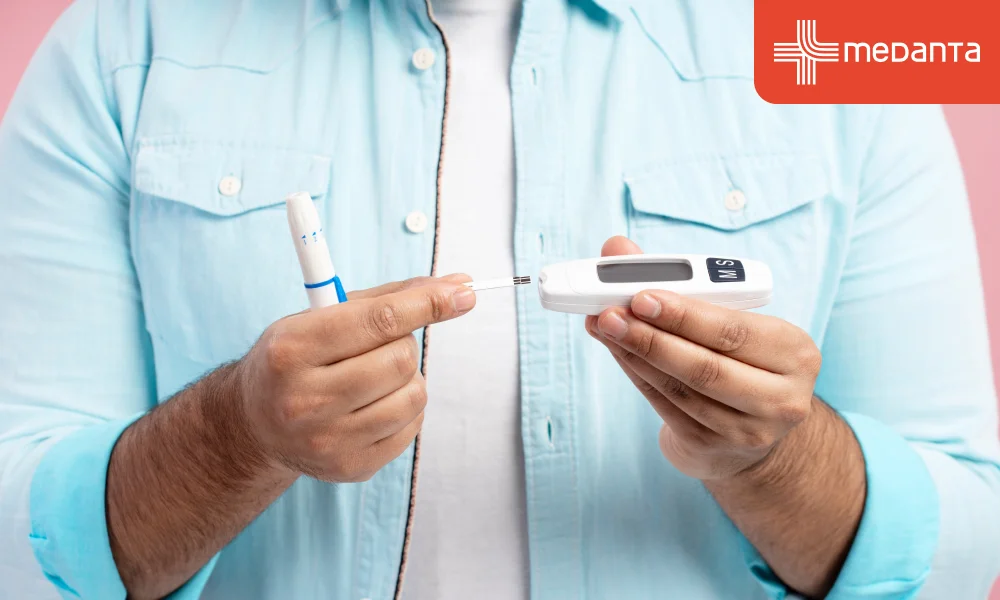
Do not skip medicines or insulin: Take them on time, even on busy days. Never change a dose on your own and talk to your doctor if you are unsure.
Stick to regular meal times: Do not skip meals to "save room" for sweets. This can cause sugar levels to swing, and in people on insulin or certain tablets it can lead to dangerously low sugar.
Check your blood sugar more often: Monitoring at home during festival week helps you spot a rise early and act before it becomes a problem.
Stay hydrated: Drink plenty of water and avoid sweetened drinks, soft drinks and packaged juices.
Keep moving: A 20 to 30 minute walk after meals helps your body use glucose better. Make it a family activity so everyone benefits.
Eat before you go out: A light, healthy meal before visiting relatives reduces the urge to overeat sweets.
Plan your gifts: If you are giving sweets this year, consider dry fruits, nuts or seeds instead of heavy mithai. It is a thoughtful choice for everyone, especially elders with diabetes.
Sleep well: Poor sleep and stress both make sugar control harder, so try to keep a regular bedtime.
Common Myths About Diabetes and Diwali
Myth: People with diabetes must avoid all sweets.
Fact: You do not have to give up sweets completely. A small piece, planned ahead as part of your meal, can fit into a diabetes diet.
Myth: Jaggery and honey are safe alternatives.
Fact: Both are forms of sugar and still raise blood glucose so they need the same portion control as refined sugar
Myth: Fruit juice is a healthy swap.
Fact: Juice has little fibre and raises sugar quickly. Whole fruit in a moderate portion is better.
Myth: Skipping meals before a feast balances things out.
Fact: Going hungry usually makes you eat too much later and your blood sugar can swing up and down. It is better to eat regular meals during the day.
Special Care for Different Groups
Certain groups of people need extra care during festive celebration.
Type 1 diabetes: Insulin doses need to match food intake. Check sugar frequently and speak to your doctor before making any changes during the festivities.
Type 2 diabetes: Control your food portions, take your medicines on time and stay active even a 10 to 15 minute walk after meals makes a big difference.
Gestational diabetes: Pregnant women should follow their diet plan closely. Blood sugar control matters for both the mother and the baby.
Older adults: Elders may forget medicines or skip meals during festive days. Family members should gently check on their routine.
Heart, kidney or blood pressure problems: Be extra careful with sweets, salt and fried food together.
When Should You See a Doctor?
Contact your doctor without delay if you notice:
Very high sugar readings that stay high despite medicines
Extreme thirst, frequent urination, blurred vision or unusual tiredness
Nausea, vomiting or stomach pain
Sweating, shakiness, dizziness or confusion, which can be signs of low sugar
It is also a good idea to get your blood sugar checked and your treatment reviewed after the festive season ends. A follow-up visit in the week after Diwali helps correct any rise early, before it affects your long-term control.
The Bottom Line
Diwali is meant to be enjoyed, and diabetes should not take away that joy. With small portions, regular medicines, daily movement and regular monitoring you can celebrate safely and still keep your sugar in check.
This festive season, let the lights be bright and your sugar levels steady.
If you or a family member has diabetes and needs guidance on managing blood sugar, consult an endocrinologist for a plan suited to your individual needs.
Disclaimer: This article is for general awareness only and is not a substitute for personal medical advice. Please consult your doctor before making changes to your diet or medicines.
FAQs
Is fasting every day safe for your health?
Daily fasting is not safe for everyone. Short term fasting can benefit some healthy adults but doing it every day without proper medical guidance can cause nutrient deficiencies, low blood sugar, fatigue and muscle loss over time. People with diabetes, heart disease or a history of eating disorders should never fast daily without a doctor's approval.
What should you eat before starting a fast?
Before a fast you should eat a balanced meal that includes complex carbohydrates like whole grains, protein (like eggs, dal or paneer) and healthy fats like nuts. This combination releases energy slowly and keeps you full longer. Avoid sugary or fried foods right before fasting as they cause energy to drop quickly.
Can you drink water while fasting?
Drinking water during a fast is strongly recommended. Staying hydrated prevents headaches, dizziness and fatigue. Plain water, coconut water and lemon water are good choices. You should avoid sugary drinks, juices and caffeine heavy beverages.
What are the common side effects of fasting?
Headache, fatigue, dizziness, irritability and difficulty concentrating are the most common side effects of prolonged fasting (especially in the first few days). Low blood sugar can cause shakiness and weakness. These symptoms usually improve as the body adjusts. If they are severe or persistent stop the fast and consult a doctor.
Who should avoid fasting for health reasons?
Certain groups of people should avoid fasting unless advised by a doctor. They are:
Children
Pregnant & breastfeeding women
Older adults
People with diabetes, kidney disease, heart conditions
People with a history of eating disorders.
People on daily medications that require food should also be cautious.
Can you take your regular medicines while fasting?
Don't skip medicines during a fast as missing doses can cause severe complications. Some medications are advised to be taken with food (to avoid stomach irritation or to work correctly). Therefore always consult your doctor before fasting if you take regular medicines as they will advise whether timing or dosage needs to be adjusted.
What is the best way to break a fast?
Break a fast with a small light meal like fresh fruit, a handful of nuts or a bowl of dal. Avoid jumping straight into heavy, fried or very spicy food. As our digestive system needs time to restart after a fast so eating too much too quickly after a fast can cause nausea, bloating and discomfort.
Can fasting help with weight loss?
Fasting can support weight loss by lowering your overall calorie intake and improving how well the body responds to insulin. Fasting is not a guaranteed solution though & it works differently for each person. Lasting weight loss comes from consistent healthy habits including a balanced diet and regular physical activity.
How can you avoid weakness and dizziness while fasting?
Stay well-hydrated throughout the fast and avoid strenuous physical activity during fasting hours. If dizziness occurs, sit or lie down immediately and have a small amount of water or glucose. Eating a nourishing pre-fast meal the night before greatly reduces the risk. Those prone to low blood pressure or blood sugar should be especially careful.
When should you stop fasting and seek medical advice?
Stop your fast right away and call your doctor if you experience:
Severe dizziness & fainting.
Persistent vomiting.
Extreme weakness.
Confusion.
People with diabetes should stop if their blood glucose falls below a safe level.
If any symptom feels unusual or gets worse during a fast, eat something, rest and contact your doctor immediately.